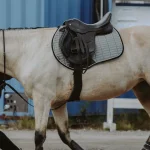


One of the biggest milestones for young riders isn’t their first trot or canter, it’s the moment they tack up their horse all by themselves. Watching a child confidently approach the grooming area, saddle in hand and bridle ready, is a proud moment for any instructor or parent. That quiet confidence comes from guidance, repetition, and learning the right way from the beginning.
Teaching kids to tack up properly sets the foundation for safe, respectful horsemanship. It’s more than a checklist of steps, it’s about developing awareness of the horse’s comfort, the rider’s responsibility, and the connection that begins before the ride even starts.
Over the years, I’ve introduced dozens of children to this essential barn task. Some are eager to dive right in, others are nervous, and many are somewhere in between. What they all share is a natural curiosity and love for horses, which makes this teaching process incredibly rewarding.
Starting With Ground Rules And Safety
Before a child even touches the tack, I always begin with ground rules. Horses are large, powerful animals, and safety has to come first, both for the child and the horse.
I explain the importance of being calm, consistent, and aware. No running, no yelling, and no sudden movements around the horse. I also talk about how horses communicate through body language, and how we need to respect their space, especially while grooming or lifting legs.
We practice approaching the horse from the shoulder, using a soft voice, and standing in a safe spot beside the horse, never directly in front or behind. These moments might seem small, but they’re where good horsemanship habits begin.
Getting Familiar With Tack Terminology
Teaching kids to tack up properly also means helping them understand what the tack is and what each part does. I like to lay out the saddle, girth, saddle pad, bridle, and grooming kit, and go through each item one by one.
I often compare the tack to parts of human clothing: the saddle is like a seat, the girth is the belt, the bridle is the steering, and the saddle pad is the cushion. These relatable metaphors help young riders grasp the purpose of each piece quickly.
Kids love hands-on learning, so I let them touch everything, buckle and unbuckle straps, and try putting a bridle together on a rack before ever doing it on a real horse. It builds confidence and reduces anxiety when it’s time to tack up a real pony.
Building The Grooming Routine First
Before tacking up, a horse must be groomed, not just for appearance but for safety and comfort. I teach kids to start with the curry comb in gentle circles to loosen dirt, followed by the stiff dandy brush to flick debris away. The soft brush is used on sensitive areas like the face and legs.
Cleaning the hooves is especially important. I walk them through picking up each foot, checking for stones, and cleaning from heel to toe. It takes practice, but once they get the rhythm, most kids take great pride in making their pony sparkle.
This grooming step isn’t just about cleanliness. It teaches observation. I encourage kids to notice any cuts, swelling, or unusual behavior in the horse during grooming. This develops the habit of checking the horse’s well-being before riding.
Setting Up The Saddle Pad And Saddle
Once the horse is clean and calm, it’s time to begin saddling. Teaching kids to tack up properly means slowing down and breaking the process into small, clear steps.
We start with the saddle pad. I show them how to place it gently but firmly, pulling it slightly up into the withers to avoid pressure on the spine. Then we lift the saddle and place it slowly, making sure it’s centered and balanced. At first, I help them with the lifting, especially if they’re small or the saddle is heavy.
I teach them to gently smooth out any wrinkles in the pad and make sure no mane or hair is caught underneath. This step emphasizes kindness, we want the horse to feel as comfortable as possible.
Next comes the girth. I show them how to check that it isn’t twisted and how to fasten the billets snugly, but not too tight. We always tighten it gradually, checking once when first tacked up and again before mounting. I remind them that horses breathe out when the girth is tightened, so a second check ensures it’s secure without being harsh.
Bridle Work: Step By Step
For many young riders, bridling is the trickiest part. Horses can be tall, and the bridle has a lot of straps that can feel overwhelming. I break it down into steps, always starting with holding the bridle correctly, noseband facing out, reins looped over one arm.
We practice bringing the bridle up to the horse’s nose and gently guiding the bit into the mouth, often with a little sugar cube or treat if the horse needs encouragement. I show them how to lift the crownpiece over the ears, and how to adjust each buckle, throatlatch, noseband, and browband, so it’s snug but not tight.
Teaching kids to tack up properly also means checking fit. I explain the “two-finger” rule, being able to slide two fingers under the straps, and remind them that a too-loose bridle can slip, while a too-tight one can hurt.
I’ve found that letting kids practice bridling on a model head, or even on a patient older pony, gives them confidence before trying it with a more sensitive or younger horse.
The Final Safety Check
Before leading the horse to the arena or mounting block, we do a final tack check. This is one of the most important steps in teaching kids to tack up properly. I walk them around the horse to inspect everything:
- Is the saddle centered and secure?
- Is the girth tight enough but not pinching?
- Are the stirrups adjusted to the right length?
- Is the bridle fitted correctly and buckled safely?
- Are reins looped neatly and not tangled?
We also check the hooves one more time and make sure the rider’s own gear is ready, helmet secured, boots on, and gloves if needed. These safety habits, reinforced early, help prevent accidents and give kids the confidence they need to ride independently.
Letting Kids Lead The Process
Once the basics are established, I step back more and more, allowing young riders to take the lead in tacking up. I watch closely but offer guidance only when needed. This shift in responsibility is where real growth happens.
Some riders ask for a checklist or want to recite the steps out loud. Others develop a quiet rhythm, talking to their pony as they go. Both approaches are valuable. Every child learns a little differently, so I adjust my support to match their style.
Watching them take ownership, grabbing the grooming tote, choosing the correct saddle pad, or buckling the bridle with steady hands, is one of the greatest joys of being an instructor. It’s not about perfection. It’s about effort, awareness, and care.
Tack Troubleshooting And Problem Solving
Sometimes, things don’t go perfectly, and that’s part of the learning. Teaching kids to tack up properly also means teaching them what to do when something feels off.
Maybe the saddle slips during mounting, or the girth pinches the pony’s belly. Perhaps a buckle on the bridle is missing, or the reins are uneven. Rather than rushing in to fix it myself, I ask them what they notice and how they think we should adjust it.
This kind of problem-solving encourages critical thinking and builds confidence. I want kids to know they can handle little challenges and understand that horses rely on us to notice and fix issues kindly and calmly.
Encouraging A Routine And Responsibility
Tacking up is part of a routine that bookends the riding experience. I teach kids that their responsibility doesn’t stop when the saddle is on or when the lesson ends. Horses need to be untacked carefully, cooled down, and groomed again.
We talk about how to loosen the girth slowly, how to remove the saddle and pad without dumping sweat on the floor, and how to gently take off the bridle while keeping control of the horse. Kids learn to wipe down tack, hang it neatly, and check for dirt or wear.
This full-circle approach reinforces that riding isn’t just about being in the saddle. It’s about stewardship, care, and respect, values that stay with young riders long after the last hoofprint fades from the arena sand.
Tips For Parents Supporting At Home
Parents often ask how they can help reinforce what their kids are learning about tacking up. Even if you’re not a rider yourself, your encouragement matters.
Here are a few ideas I usually share:
- Ask questions about what they did at the barn
- Let them teach you the tacking-up process using diagrams or toys
- Encourage responsibility by having them clean their boots or organize their tack box
- Watch tutorial videos together to reinforce steps visually
- Celebrate progress, every time they tack up with less help, give them credit
This kind of reinforcement builds pride and helps children retain what they learn. Over time, tacking up becomes second nature, a routine they look forward to, not something they rush through or dread.
Making It Fun And Positive
Above all, I believe in keeping things fun. Yes, tacking up is a serious task, but that doesn’t mean it has to feel like a chore. I turn it into a game sometimes, timing how quickly and safely they can get ready, or creating little “tack detective” challenges where they spot missing pieces or fix crooked saddle pads.
Using stickers, praise, or even a riding journal to track progress makes the learning process enjoyable. Kids thrive on recognition, and something as simple as saying, “You remembered every step today!” can boost their confidence for the whole week.
Conclusion
Teaching kids to tack up properly is one of the most meaningful skills we can pass on in the horse world. It combines technical know-how with emotional intelligence and builds a foundation of trust between rider and horse. By breaking the process into clear steps, emphasizing safety, and encouraging independence, we help young riders grow into thoughtful, capable equestrians.
Every ride begins before the first step in the saddle. The connection formed while brushing, saddling, and checking gear is where horsemanship is born. And when I see a child gently buckle a bridle, pat their pony, and say, “Ready?”, I know we’ve done something right.