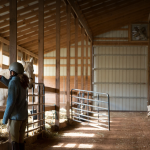


Riding has always been more than just a sport or a pastime for me, it’s a lifestyle rooted in respect for animals, the land, and the rhythms of nature. That deep connection eventually made me pause and think about how I dress when I’m in the saddle or working around the barn. Over time, I started to reevaluate the fast fashion habits I had fallen into and looked more closely at sustainable clothing for riders.
The equestrian world has traditionally emphasized durability and function over trends, but with more brands and riders becoming aware of their environmental impact, the shift toward eco-friendly riding wear is gaining momentum. Choosing sustainable clothing for riders not only supports ethical labor practices and minimizes pollution, but it also adds a thoughtful layer to how we engage with the equestrian lifestyle.
In this article, I’ll explore what sustainability means in the context of riding apparel, share the materials and brands I’ve come to rely on, and give practical tips for building a wardrobe that balances performance with environmental responsibility.
Why Sustainability Matters In Riding Apparel
The equestrian lifestyle demands a lot from our clothing. Breeches, jackets, gloves, and boots all need to withstand the rigors of training, weather changes, and daily chores. That durability often means synthetic materials or chemically treated fabrics, which unfortunately have a heavy ecological footprint.
I started to ask questions: Where did my riding clothes come from? Who made them? Were they built to last, or would they end up in a landfill after a few seasons? The more I learned, the more motivated I became to find better alternatives.
Sustainable clothing for riders is about more than just materials, it’s about ethical sourcing, energy-efficient production, reduced water usage, and even repairability. Making better clothing choices has allowed me to align my values with my wardrobe and feel more at ease in what I wear.
Key Features Of Sustainable Riding Clothes
Over the past year, I’ve developed a simple checklist to help identify whether a piece of clothing aligns with sustainable principles:
- Natural or recycled materials: Organic cotton, bamboo, hemp, or recycled polyester are good options.
- Non-toxic dyes and treatments: Look for clothing that uses water-based or low-impact dyes.
- Fair labor practices: Brands that are transparent about their factories and worker conditions stand out.
- Durability: Clothing that holds up over time reduces the need for frequent replacement.
- Recyclability or compostability: Some brands take back old items to reuse or responsibly dispose of them.
These criteria help guide my decisions, whether I’m buying a new show shirt or replacing a pair of gloves.
Eco-Friendly Fabrics That Perform
One of the most common misconceptions is that sustainable fabrics can’t handle the demands of riding. After testing various items, I’ve discovered several materials that work beautifully in the barn and in the arena.
Organic Cotton
This fabric is soft, breathable, and ideal for t-shirts, base layers, and even some casual breeches. Unlike conventional cotton, organic cotton is grown without harmful pesticides or synthetic fertilizers, which is better for the soil, farmers, and local water systems.
Bamboo Viscose
Bamboo is a fast-growing crop that requires minimal water. It produces a lightweight, moisture-wicking fabric that’s perfect for riding shirts and socks. I love how it feels against my skin, even during long summer rides.
Hemp
Hemp is incredibly strong and naturally resistant to mold and UV rays. I’ve worn hemp-blend work shirts that hold up to mucking stalls, grooming, and even light rain. Its texture softens over time without losing strength.
Recycled Polyester
For technical pieces like jackets and show coats, recycled polyester made from post-consumer plastic offers a solid eco-friendly alternative. Some of my most weather-resistant gear is made from these upcycled materials.
Brands That Focus On Sustainable Clothing For Riders
Finding trustworthy brands has made my journey into sustainable riding fashion more rewarding. These are some of the names that have earned a permanent spot in my wardrobe:
Ariat Eco Collection
Ariat has introduced several items using recycled materials and eco-conscious production methods. Their eco riding tights and show shirts offer comfort and flexibility, and I appreciate their efforts to improve sustainability without sacrificing quality.
Noel Asmar
This brand emphasizes ethical sourcing, long-lasting construction, and beautiful, modern design. Their equestrian pieces are elegant and durable, made with natural and recycled materials.
TKEQ
While best known for contemporary style, TKEQ has begun integrating sustainability into their production. I’ve worn their performance tops that use recycled fibers, and they hold up wonderfully in both training and competition.
Horseware Ireland
Horseware’s “Green Collection” features turnout rugs and riding apparel made from sustainable materials like rPET (recycled plastic bottles). I’ve used their eco-friendly turnout blankets, and they perform just as well as traditional versions.
Sustainable clothing for riders doesn’t mean compromising on style or performance. These brands have found a way to merge technical innovation with eco-conscious design.
Thrifted And Secondhand Equestrian Wear
Another important part of building a sustainable riding wardrobe is embracing secondhand clothing. Equestrians tend to keep their gear in good condition, which means you can often find gently used items at tack swaps, consignment shops, or online marketplaces.
I’ve found high-end breeches, competition jackets, and leather half chaps secondhand for a fraction of the original price. Shopping used not only extends the life of a garment but also prevents it from being discarded prematurely.
I also enjoy passing along my own well-kept riding clothes to younger riders at my barn or donating to local pony clubs. This kind of reuse keeps clothing in circulation and reduces demand for new production.
Minimalist Wardrobes: Quality Over Quantity
Before I focused on sustainability, I had multiple pairs of breeches I barely wore and a dozen show shirts that looked almost identical. Now, I curate my wardrobe more carefully, choosing quality pieces that I love and use often.
My current riding wardrobe includes:
- 2 pairs of breeches in versatile colors
- 3 moisture-wicking tops made from bamboo and recycled fabric
- 1 durable show coat
- A windproof, water-resistant riding jacket
- A handful of base layers and secondhand sweaters for colder weather
Everything matches, layers easily, and serves a specific purpose. This minimalist approach reduces clutter and helps me appreciate the clothing I have.
Caring For Clothing To Extend Lifespan
Sustainable clothing for riders also includes how we treat the clothes we already own. Simple practices like line-drying instead of machine drying, washing with cold water, and avoiding harsh detergents can significantly extend a garment’s life.
I’ve also started doing basic repairs, sewing small tears, replacing buttons, and re-elasticizing breech waistbands. Keeping a repair kit in the tack room makes this easy, and it’s become oddly satisfying to fix things instead of tossing them.
For leather items like gloves or half chaps, I regularly clean and condition them to prevent cracking or breakdown. This care routine helps keep all my gear functional and looking good for longer.
Footwear And Accessories With A Conscience
Sustainability doesn’t stop at shirts and breeches. Footwear and accessories are just as important.
Riding Boots
I invested in a pair of high-quality boots made from responsibly sourced leather. They were expensive, but with proper care, they’ve lasted me years. Some brands also offer vegan or synthetic options made from sustainable materials.
Belts And Gloves
I’ve found belts made from upcycled reins and gloves made from recycled fabrics. These little details complete my outfit while keeping waste low.
Hats And Helmets
While riding helmets must meet strict safety standards (and should be replaced after a fall), I look for brands with environmental policies and packaging made from recycled materials.
Reducing Waste In The Laundry Room
Even with the best intentions, microplastics from synthetic fabrics can still enter waterways during laundry cycles. To help mitigate this, I use a microfiber-catching laundry bag that filters out particles before they go down the drain.
I also use eco-friendly detergents and avoid bleach or fabric softeners. These small adjustments contribute to the overall goal of reducing the environmental footprint of my riding wardrobe.
Building A Community Of Conscious Riders
One of the best outcomes of my journey toward sustainable clothing for riders has been the conversations it sparks. Fellow riders at my barn have started swapping gear, sharing recommendations for ethical brands, and asking more questions about where their clothing comes from.
We’ve even hosted a sustainable tack and apparel day where everyone brings old items to trade or donate. These moments of connection have made sustainability feel less like a solo effort and more like a community value.
By talking about these choices and showing how practical and stylish eco-friendly riding clothes can be, we help move the equestrian world toward more mindful practices.
Final Thoughts
Sustainable clothing for riders is about aligning your values with what you wear, every time you tack up, school your horse, or head into the show ring. It’s a commitment to reduce waste, support ethical production, and make thoughtful choices that protect the environment we ride through every day.
My journey into eco-conscious apparel hasn’t been perfect, but it’s been incredibly fulfilling. With every piece of recycled fabric, every secondhand find, and every stitch I repair, I feel more connected to the horses, the land, and the tradition of riding with purpose.
Building a sustainable riding wardrobe doesn’t require giving up performance or style. It’s about making smarter decisions, investing in what lasts, and finding joy in clothes that tell a story of care, for the planet, for our horses, and for the future of the equestrian community.