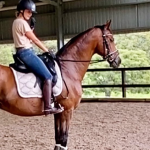


Introducing children to riding through games is one of the best ways to create a lasting love for horses. While traditional lessons teach fundamentals like balance and control, games bring those lessons to life in a way that’s fun, active, and filled with laughter. I’ve watched young riders transform from timid to confident just because they were given the freedom to play in the saddle. Structured games offer more than entertainment, they encourage coordination, build trust with the horse, and sharpen the basics of riding without kids even realizing they’re learning.
Designing beginner riding games for children requires creativity, patience, and a good understanding of safety. The most effective games are simple, scalable for different age groups, and centered around the horse’s comfort too. I always make sure each game works within the rider’s skill level and keeps both horse and child calm and happy.
Why Games Work So Well For Beginners
When children first start riding, they’re often overwhelmed by all the instructions, heels down, eyes forward, hands quiet. It’s a lot to take in. Games take those technical lessons and wrap them in play. Rather than telling a child to sit tall, I ask them to pretend they’re a proud king or queen during a parade. Instead of practicing steering drills, we ride through imaginary mazes or around cones like knights on a quest.
Games lower stress, which helps kids relax and absorb more. I’ve seen nervous riders forget their fear entirely when they’re chasing after a colored flag or riding to deliver a letter in a make-believe game of postman. The joy they experience becomes their motivation to return week after week.
Key Safety Considerations Before Playing
Before introducing any riding game, I go over safety with both riders and helpers. Horses must be well-trained, calm, and familiar with the environment. Tack should be double-checked for proper fit. And each rider must understand the basics of stopping, steering, and mounting before games begin.
I also keep a few ground rules consistent no matter what game we’re playing:
- Helmets on at all times.
- No galloping or racing unless in a controlled trot or canter setting.
- Always keep one hand on the reins unless instructed otherwise.
- Be aware of spacing between horses.
- All games stop immediately if a horse shows signs of distress.
Keeping safety front and center ensures that beginner riding games for children stay enjoyable for everyone involved.
Red Light, Green Light
This game never fails to get a group of kids smiling. It’s an ideal activity for early riders learning how to start and stop their horses.
To play, I act as the traffic light and call out commands: “Green light” means walk forward, “Red light” means stop, and “Yellow light” is slow-motion or prepare to halt. I sometimes add “Beep beep” as a backup cue to reinforce halting.
Not only does this game sharpen listening skills, it’s excellent for practicing control and developing the habit of responding to verbal cues. Horses often enjoy the rhythmic pace changes too.
Egg And Spoon Race
This classic riding game is both hilarious and educational. Kids ride with a spoon in one hand and a plastic egg (or a ping pong ball) balanced on top. The goal is to walk from one end of the arena to the other without dropping the egg.
This teaches balance, steady rein hands, and concentration. If a child tries to grip the reins too tightly or bounce in the saddle, the egg falls. I love watching how quickly kids adjust their posture once the stakes are turned into a silly game.
I’ve even created variations where the course includes minor turns or poles to step over. It’s one of the most popular beginner riding games for children because it’s challenging but lighthearted.
Simon Says On Horseback
Adding a horsey twist to “Simon Says” helps reinforce commands and builds coordination. I give riding instructions prefaced by “Simon says”, things like “Simon says walk on,” “Simon says halt,” or “Simon says touch your toes.” If I give a command without saying “Simon says” first and the rider follows, they’re out, or, more commonly, they get a funny “neigh” from the group and try again.
This game strengthens focus and memory, two skills that young riders need to develop. I keep the commands gentle and progressively more advanced as the kids improve. One week we might just work on hands and balance, and later weeks we introduce trot steps or changes in direction.
Horse Shoe Hunt
In this treasure hunt-style game, I hide plastic horseshoes, flags, or even laminated cards around the arena. Each child is assigned one color or shape to find. They ride around searching for their items and bring them back one by one to a designated bucket or barrel.
Horse shoe hunts promote spatial awareness and encourage kids to explore different parts of the arena. They learn to guide their horse with purpose while practicing steering and stopping. I always give hints or call out clues to help, making sure no one feels left behind.
The excitement of the hunt is irresistible, and it’s one of the easiest ways to keep a whole group of children engaged at once.
Obstacle Course Challenge
Setting up a simple obstacle course creates a world of possibilities. I use cones, poles, barrels, and sometimes colorful streamers to build a course that tests multiple skills, weaving between cones, stepping over poles, making turns at certain markers.
I time each rider if they’re confident, or just encourage completion for those still learning. There’s no pressure to be fast; the goal is precision and fun. Some kids even help design the course, which gives them ownership and creativity.
This is one of the most flexible beginner riding games for children because it can be scaled for any level. You can make it as basic or complex as you want, and it gives each rider a sense of accomplishment.
Mail Delivery Game
Inspired by the old Pony Express, this game turns kids into horseback couriers. Each rider is given a letter (a laminated paper or small card) and rides from “station” to “station” to deliver it. Sometimes the route includes trotting or weaving through obstacles.
I create pretend post offices out of barrels or cones and even dress up with a mailbag to receive their delivery. This game emphasizes riding with a purpose and helps improve direction following and horse control.
Younger children especially enjoy pretending, and when they’re on a mission, they focus more naturally on where they’re going and how to get there smoothly.
Freeze Ride
Similar to musical chairs, this game involves music played over a speaker while kids ride around in a circle. When the music stops, they have to halt immediately and stay still, both horse and rider. Anyone who moves is “out” or gets a fun consequence like singing a silly song.
Freeze Ride teaches attention and quick response time. It also sharpens a rider’s ability to stop their horse smoothly and keep it calm. I always give out prizes not just for winning, but for best horsemanship or most improved.
Follow The Leader
In this game, one rider (usually an instructor or older child) leads the group through a pattern, and the others follow behind, mimicking their movements. The leader can weave through cones, perform circles, or even add in fun hand gestures like salutes or high-fives.
Follow the Leader encourages awareness of spacing and consistency. Kids learn to keep pace and match movements while maintaining control. Horses also benefit by moving as part of a calm group, which reinforces positive social behavior.
Balloon Grab
Tying balloons or flags to poles or fence posts creates an exciting game for kids to grab them while passing by. I usually place them at a height that challenges kids to stretch slightly but not lose balance. The balloons can be color-coded for points, or part of a scavenger hunt.
This game enhances balance, hand-eye coordination, and riding one-handed. The excitement keeps them engaged, and kids are usually eager to ride again and beat their previous score.
Of all beginner riding games for children, balloon grab tends to bring out the biggest smiles and the most laughter.
Relay Races
While racing is usually reserved for more advanced riders, a well-controlled relay at a walk or slow trot can be perfect for beginners. I break the group into teams and create tasks like transferring a baton, carrying a stuffed animal, or leading a horse around a barrel and tagging the next rider.
These mini relays create teamwork, cooperation, and goal-oriented riding. I emphasize smooth transitions and safe speed. It’s a fun way to bond the group and let kids cheer each other on.
Ground-Based Games For Younger Riders
Not every game has to be played from the saddle. I often include ground-based games for younger children who are still getting comfortable with horses. Leading games like “Horse Says,” where the horse does what the child says (walk, stop, turn), build trust and improve handling skills.
Other times we’ll play grooming games, races to find brushes, matching games with tack, or quizzes using real grooming tools. These activities help reinforce the bond between horse and child and keep sessions interesting even before riding begins.
Encouraging Sportsmanship And Patience
One of the biggest lessons riding games offer is emotional growth. Win or lose, every child learns to support others, wait their turn, and handle setbacks. I take time after each game to talk with the group, celebrate their progress, and discuss what they enjoyed.
We don’t focus on who came first. Instead, we highlight improvement: who kept their heels down best, who steered the smoothest, or who showed kindness to their horse. This mindset encourages personal growth rather than competition, which is especially important when working with beginners.
Customizing Games Based On Horse Temperament
Not every horse enjoys fast-paced games or noisy environments. Part of preparing successful beginner riding games for children is knowing the horses well. A horse that’s calm and steady may enjoy an obstacle course, while one that startles easily might be better suited to follow-the-leader or slower-paced tasks.
I rotate games based on how each horse is feeling and how well the children are riding that day. Some days are more energetic, others are focused and quiet. Flexibility ensures that the experience remains positive for both rider and horse.
Building Confidence, One Game At A Time
What matters most isn’t how many games you play, but how much confidence and joy each child takes from the experience. These games become building blocks for more advanced riding. I’ve seen kids who once clung nervously to the saddle become proud and independent just because they mastered a balloon grab or led a pony through a cone pattern.
The best beginner riding games for children are the ones that make them fall in love with horses, without even realizing they’re learning. That joy turns into dedication, and that dedication becomes the foundation of horsemanship.
Conclusion
Games are more than just a break from structured lessons. They’re powerful tools for teaching balance, control, confidence, and care. From the simplicity of Red Light, Green Light to the strategy of relay races and treasure hunts, there’s a game for every young rider and every learning moment.
When introduced thoughtfully, beginner riding games for children can transform how they view learning, making every session something they look forward to. With the right combination of safety, creativity, and encouragement, these games can open the door to a lifelong love of horses.